العربية
 Francés
 Русский
 Español

Polypropylene Twisted Fiber Applications in Airport Runway and Heavy-Duty Pavement
Airport runways and heavy-duty pavements are key infrastructures—they have to handle frequent high-impact loads, extreme temperature changes, and tough environmental conditions every day. That’s why they need top-notch crack resistance, durability, and load-bearing ability. Polypropylene Twisted Fiber (PP Twisted Fiber), a high-performance Synthetic Fiber for Concrete, has become a must-have material for building and maintaining them. It effectively fixes the problem of traditional concrete being inherently brittle and easy to crack.
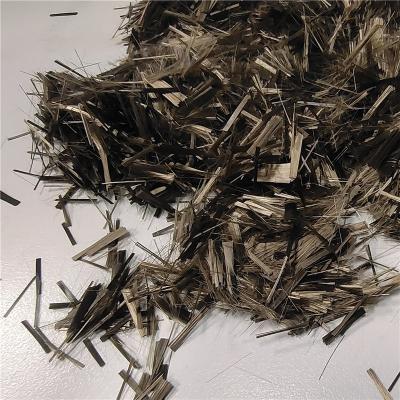
Twisted Polypropylene Fibers have a unique twisted bundle structure and a rough surface. When mixed into concrete, they form a dense 3D reinforcement network, which greatly boosts the pavement’s tensile strength and toughness. Unlike regular fibers, Monofilament Twisted fiber spreads evenly without clumping together during mixing. It bonds tightly with the concrete, stopping the plastic shrinkage and dry shrinkage cracks that often pop up on airport runways and heavy-duty pavements when temperatures change or heavy loads are applied.
For airport runways, this fiber makes them more impact-resistant, so they can stand up to the pressure of aircraft taking off and landing. It’s also corrosion-resistant, which prevents damage from de-icing salts and moisture, helping the runway last longer. When it comes to heavy-duty pavements—like highways, ports, and industrial yards—it makes them more wear-resistant and better able to handle repeated use, cutting down on maintenance costs. As an eco-friendly and affordable Synthetic Fiber for Concrete, it’s also a great alternative to steel fibers: no rust issues, and it makes construction easier. All in all, Polypropylene Twisted Fiber provides reliable support, keeping airport runways and heavy-duty pavements stable and safe for the long haul.