العربية
 Francés
 Русский
 Español

HDPE vs. LLDPE Geomembrane: Difference & Application
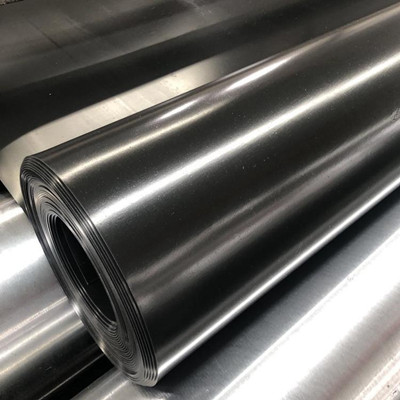
HDPE geomembrane refers to high-density polyethylene geomembrane liner, while LLDPE geomembrane is linear low-density polyethylene geomembrane.
HDPE geomembrane feature:
◆HDPE geomembrane has higher density and crystallinity, so it is rigid. It boasts superior tensile strength, puncture resistance and tear resistance.
◆Elongation at break: 500–800% with moderate ductility.
◆It delivers strong resistance to chemical corrosion and hydrocarbon solvents, with good UV resistance.
◆It adapts poorly to uneven settlement and irregular subgrades, and is prone to stress cracking when the base deforms.
LLDPE geomembrane features:
Has lower density with short side chains in its molecular structure, making it soft. Its tensile strength is lower than HDPE. Elongation at break: 600–900%.
Has excellent environmental stress crack resistance.
It fits tightly to the base and can stretch along with foundation settlement and local deformation.
It has better low-temperature toughness, suitable for construction in cold regions.
It offers decent chemical resistance, yet performs worse than HDPE against strong organic solvents and high-concentration chemical environments.
Application different:
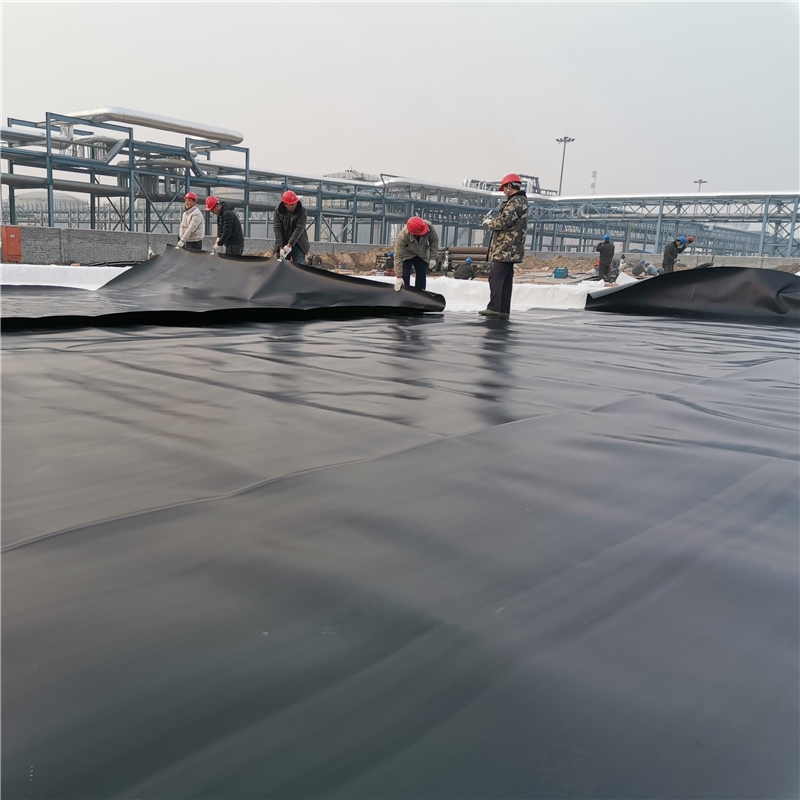
HDPE geomembrane is stiffer with higher tensile strength, puncture resistance and excellent chemical resistance. It is the standard liner for landfills, mining leach pads and chemical. LLDPE geomembrane features outstanding flexibility and elongation. It conforms well to uneven subgrade and tolerates differential settlement. It works great for aquaculture ponds, floating covers and projects on deformable ground.