العربية
 Francés
 Русский
 Español

What is Geotextile Used for?
Geotextiles, as one of the core products of geotechnical synthetic materials, are widely applied in various fields such as civil engineering, environmental protection engineering, agriculture, and water conservancy due to their unique properties. The specific classification and application details are as follows:
Nonwoven Geotextile filtration function
The core is to allow liquids to pass through while intercepting soil particles, preventing soil erosion or pipeline blockage. It is commonly used in the drainage systems of road and railway subgrades, where geotextiles are laid between the sandstone drainage layer and the subgrade soil to filter groundwater and prevent sediment from entering the drainage channel and causing blockage; in slope greening and river regulation, it can also be used to filter impurities in backfill soil to ensure the growth environment of vegetation and prevent soil erosion.
Nonwoven Geotextile drainage function
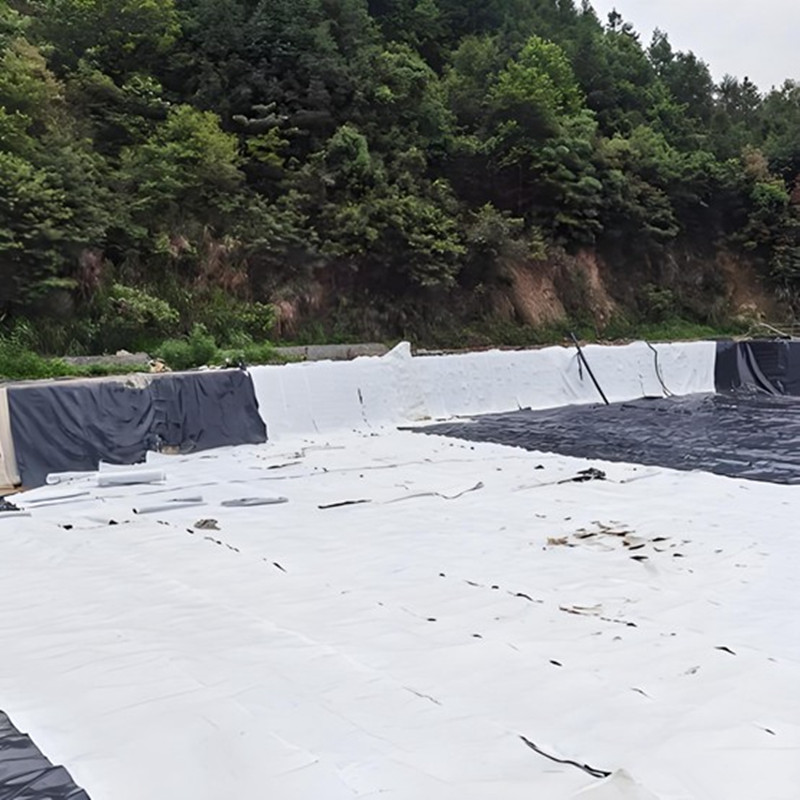
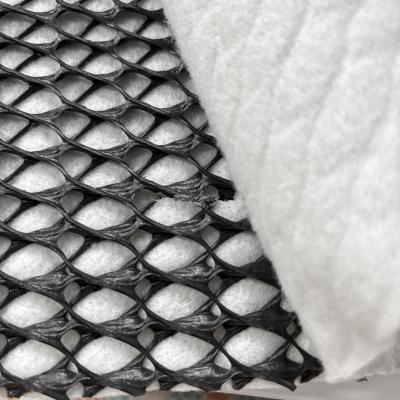
By utilizing the porous structure of geotextiles, it can quickly discharge water from the soil, reduce soil saturation, and improve engineering stability. For example, in landfill sites, laying geotextiles to form a drainage layer can promptly discharge leachate and reduce erosion of the landfill structure; in the foundation treatment of sports fields and golf courses, it can discharge surface water and groundwater to prevent waterlogging that affects usage.
geotextile isolation function
It realizes the physical separation of different materials and different particle sizes, preventing their mixture and deformation, and maintaining their respective properties. Typical applications include the isolation of the pavement base layer and the subgrade in road and railway construction to prevent the mixing of subgrade soil with crushed stone base layers and reduce pavement settlement; in airport runways and railway track beds, it isolates ballast from the subgrade soil to ensure the stability of the track structure; in fill engineering, it can isolate new fill soil from the original subgrade soil to reduce uneven settlement.
Nonwoven Geotextile reinforcement function
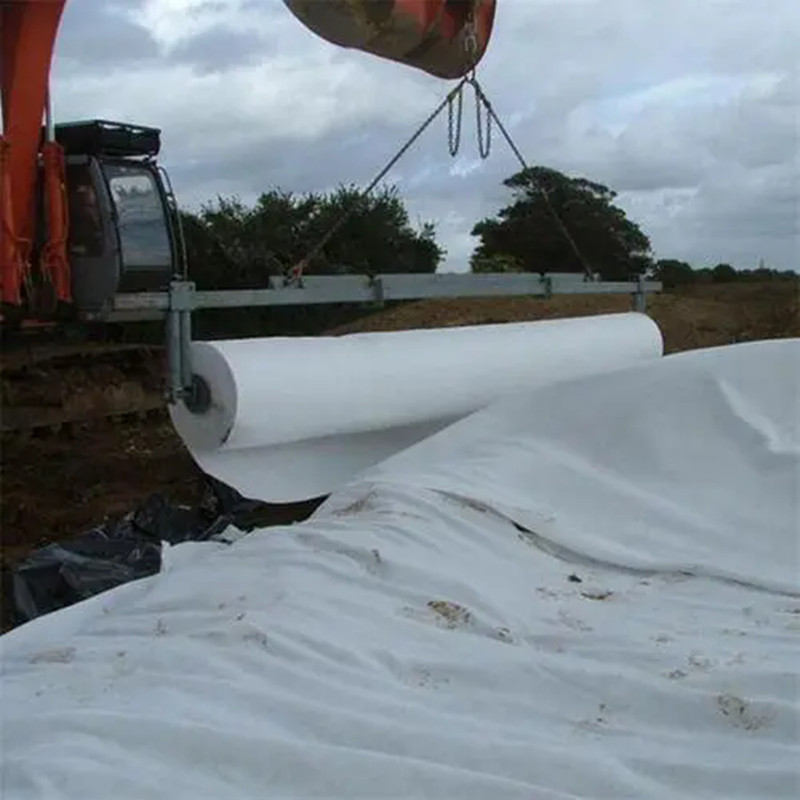
By leveraging the tensile strength of geotextiles, it enhances the bearing capacity and deformation resistance of the soil, suitable for complex geological conditions such as soft soil foundations. For example, in the soft foundation treatment of roads and railways, laying geotextiles to form a reinforcement layer can disperse the roadbed pressure and reduce roadbed settlement and lateral displacement; in slope reinforcement and dam construction, geotextiles can work in conjunction with fill soil to enhance the anti-sliding stability of the slope and prevent landslide collapse.
Protective function
Nonwoven geotextile protects the soil or structure from being damaged by water flow erosion, external forces, etc. In the upstream face of rivers and coastal embankments, laying geotextiles can resist water flow erosion and reduce embankment erosion; in vegetation slope protection projects, geotextiles can serve as a carrier for vegetation growth while preventing soil erosion on the slope surface by rainwater; in pipeline laying projects, geotextiles wrapped around the pipeline can prevent the pipeline from being scratched by sharp soil around it, extending the service life.